


Did you know that 35% of all harvested trees are used for paper production? Eco friendly printing isn’t just an environmental choice anymore-it’s becoming a smart business decision. In fact, every ton of recycled paper saves 17 trees, 1,440 liters of oil, and 4,000 kilowatts of energy.
The sustainable printing market, currently valued at USD 2.17 billion, is expected to reach USD 3.35 billion by 2030 , while the eco-friendly inks sector is projected to grow from USD 4.7 billion to USD 8.9 billion by 2035. Additionally, traditional printing is surprisingly resource-intensive, with a single A4 page requiring between two and 13 liters of water to produce.
As we look ahead to 2026, we’re seeing more businesses make the switch to eco friendly printing solutions. However, many companies still struggle to identify the right materials, methods, and partners for their sustainability journey. In this guide, we’ll walk you through everything you need to know about implementing environmentally friendly printing practices that benefit both your business and our planet.
What is eco-friendly printing and why it matters
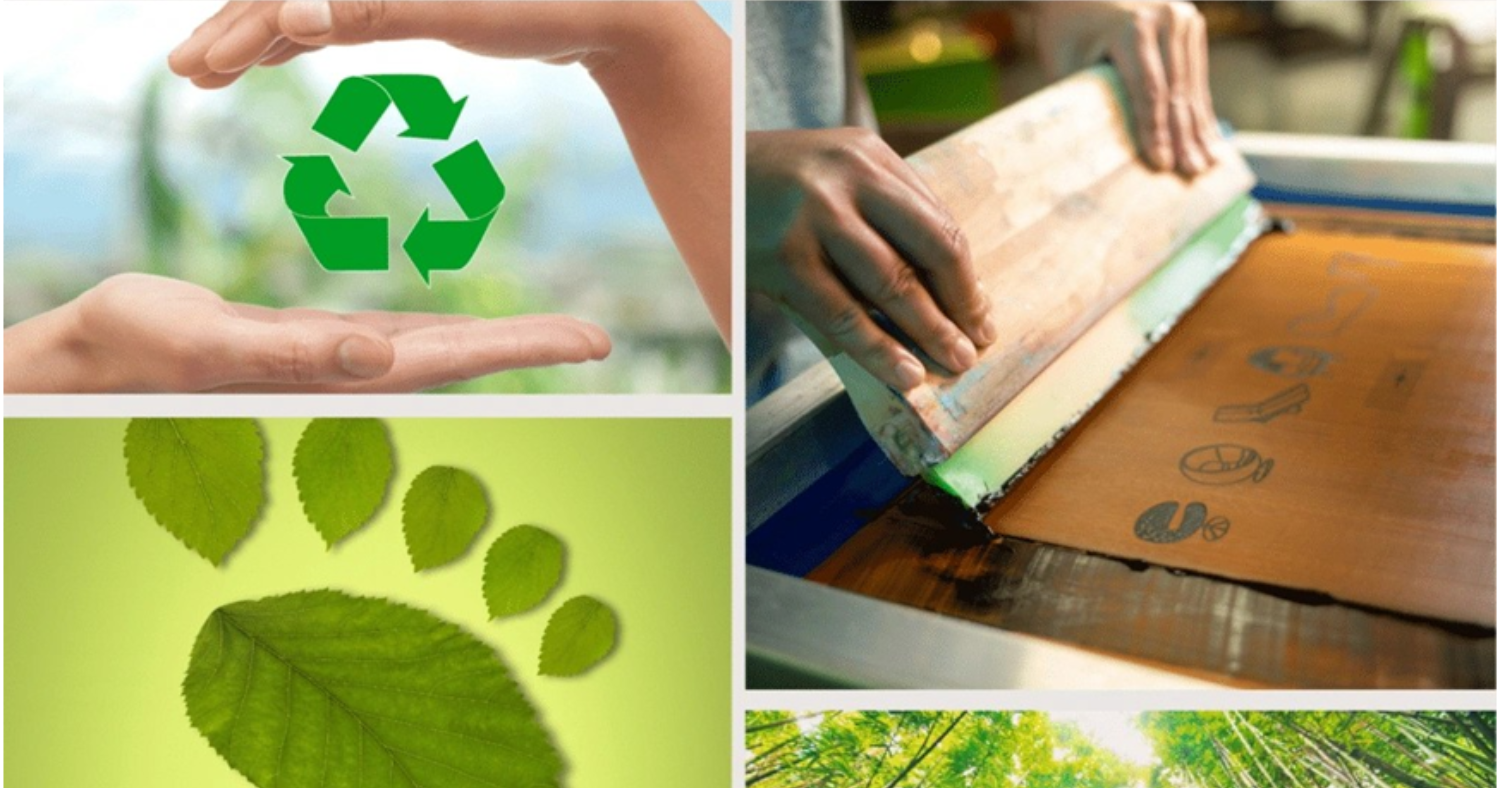 Simply put, eco friendly printing refers to production methods and materials specifically designed to reduce environmental impact throughout the entire printing lifecycle. This approach encompasses everything from sourcing materials to disposing of or recycling printed products and hardware. The concept extends beyond just using recycled paper-it’s a comprehensive strategy that includes energy-efficient equipment, sustainable materials, and responsible waste management practices.
Definition and scope of sustainable printing
Sustainable printing aligns with Environmental, Social, and Governance (ESG) initiatives through three key pillars:
- Environmental: Reducing ecological footprint through energy-efficient devices, recycled materials, waste reduction strategies, and eco-friendly inks and papers
- Social: Ensuring ethical considerations like fair labor practices and employee well-being through environmentally friendly devices with low emissions
- Governance: Setting clear sustainability objectives and implementing policies to meet these goals
Essentially, eco friendly printing strikes a balance between business operations and environmental responsibility. It involves using sustainable materials that minimize harm to the planet without compromising on quality or efficiency.
Environmental impact of traditional printing
Traditional printing methods carry a significant environmental burden. The paper industry ranks as one of the largest industrial energy users globally and is responsible for approximately 12% of manufacturing energy in the U.S.. Furthermore, paper and cardboard constitute around 25% of landfill waste in the U.S..
The environmental costs extend beyond just paper usage:
- Conventional printing emits volatile organic compounds (VOCs) that degrade air quality
- Each A4 page requires between 2-13 liters of water to produce
- Traditional inks contain chemicals and solvents that can contaminate soil and water
- The manufacturing process contributes significantly to greenhouse gas emissions
Why businesses are making the switch
Companies are increasingly adopting eco friendly printing practices for several compelling reasons. Notably, sustainability has evolved from a trend to a business imperative. According to a Nielsen study, 66% of consumers are willing to pay more for products and services from companies committed to environmental responsibility.
Beyond consumer preference, businesses benefit through reduced operational costs. Sustainable printing often leads to efficient resource use, lower energy consumption, and decreased waste generation. Moreover, companies that embrace sustainable practices enhance their reputation and stay ahead of evolving environmental regulations.
By 2025, over one-fifth (22%) of businesses expect more than 30% of their revenue to come from sustainable products and services, compared to just 8% in 2023.
Choosing the right eco-friendly printing materials
The materials you select form the foundation of truly eco friendly printing practices. Making informed choices about paper and inks can drastically reduce your environmental footprint without compromising quality.
Recycled and post-consumer waste paper
Post-consumer waste (PCW) paper consists of fibers that have already served their purpose as consumer items and been redirected from landfills. This sustainable option saves resources including water and energy while diverting waste from landfills. First and foremost, the higher the percentage of PCW content in paper, the lower the CO2 emissions, making your print projects more environmentally responsible.
Modern recycled papers perform exceptionally well in various applications. For instance, many high-quality options offer 99.99% jam-free performance with brightness ratings of 92-virtually indistinguishable from non-recycled alternatives. Consequently, businesses no longer need to choose between quality and sustainability.
FSC-certified and alternative fiber papers
The Forest Stewardship Council (FSC) certification guarantees that paper comes from responsibly managed forests. As the most credible international organization dedicated to promoting responsible forest management, FSC ensures that certified forests are sustainably managed with replanted trees and protected biodiversity.
Beyond traditional wood pulp, alternative fiber papers offer innovative solutions. Options include:
- Bamboo paper: Derived from fast-growing bamboo that reaches maturity in 3-5 years and requires fewer chemicals during processing
- Hemp paper: Offers exceptional durability and can be recycled five times more than wood paper
- Sugarcane paper: Made from bagasse (fibrous leftovers after juice extraction), reducing waste and preventing unnecessary carbon emissions
Eco friendly printing inks: soy-based and water-based options
Soy-based inks, developed in the late 1970s, utilize renewable soybean oil instead of petroleum. About one-third of America’s newspaper printers and over 90% of daily newspapers now use soy ink. Above all, these inks produce vibrant colors while emitting fewer volatile organic compounds (VOCs) than traditional petroleum-based alternatives.
Water-based inks represent another excellent eco-friendly choice. These inks use water as their primary carrier, effectively reducing VOC emissions. Furthermore, they eliminate the need for complex ventilation systems, creating safer work environments.
Eco-friendly printing methods and technologies
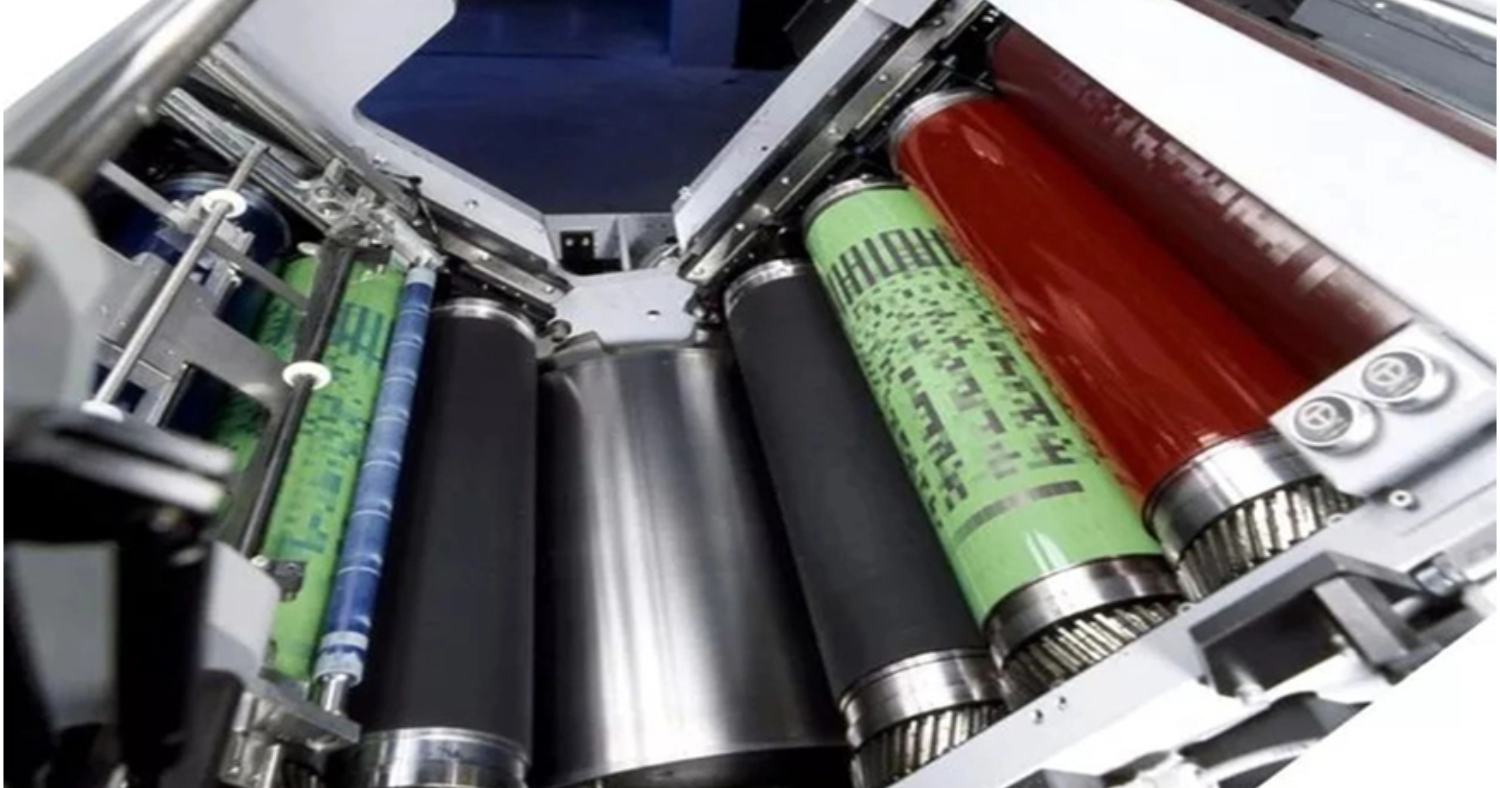 Beyond materials selection, the technologies and methods you employ significantly impact your printing’s environmental footprint. Let’s examine the most effective approaches for 2026.
Print-on-demand to reduce waste
Print-on-demand (POD) has emerged as a game-changer for sustainable printing. This model produces items only when ordered, eliminating overproduction waste and excess inventory that often ends up in landfills. The POD market is projected to grow from $8.3 billion in 2025 to an impressive $59.3 billion by 2033, with a remarkable CAGR of 27.8%. Primarily, this growth stems from consumer preferences-approximately 30% of consumers now expect personalized products, with nearly 50% willing to wait longer for customized items.
Waterless and chemical-free printing
Waterless printing represents a significant advancement in eco-friendly technologies. By eliminating dampening systems, this method reduces chemical usage while saving an estimated 2.5 million liters of water per year for a typical operation. Furthermore, this technology delivers cleaner, more precise images since silicone-coated plates repel ink from non-printing areas. In turn, this creates higher quality prints with sharper details and more vibrant colors.
Energy-efficient printers and renewable energy use
Energy-efficient printers now feature LED UV technology, which uses significantly less power than traditional mercury-vapor lamps. These printers offer instant on/off functionality, eliminating standby consumption between jobs. First and foremost, integrating renewable energy sources like solar, wind, and hydro power into printing operations substantially reduces carbon emissions. Generally, these investments yield both environmental benefits and long-term cost savings.
Digital vs offset: which is more sustainable?
Digital printing typically creates less waste for short runs-offset makeready can generate 5-12% waste on shorter runs while digital significantly reduces this figure. Nevertheless, offset printing excels for longer production runs once properly calibrated. When evaluating sustainability, consider that digital printing uses biodegradable inks and eliminates harmful chemical washes. Likewise, digital printing consumes 20-30% less paper than offset through precise layout control.
Certifications and how to choose a green print partner
Certifications serve as trustworthy validations that your printing choices genuinely support environmental sustainability. These third-party verifications help separate authentic green practices from misleading claims.
Understanding FSC, ISO 14001, and Green Seal
Forest Stewardship Council (FSC) certification guarantees paper comes from responsibly managed forests where trees are replanted and biodiversity is protected. FSC provides three labels: FSC 100% (entirely from certified forests), FSC Mix (combination of certified, controlled, and recycled sources), and FSC Recycled (all reclaimed material).
ISO 14001 establishes an international framework for environmental management systems. Organizations with this certification demonstrate systematic approaches to minimizing their ecological footprint, measuring everything from resource usage to waste management.
Green Seal verifies products meet strict environmental standards, including reduced VOC emissions and responsible chemical handling. For printing, it certifies papers containing at least 30% post-consumer materials.
What to ask your printer about sustainability
When vetting potential printing partners, inquire about:
- Are you FSC certified?
- Do you have ISO 14001 accreditation?
- What percentage of post-consumer waste is in your paper?
- Do you use vegetable-based inks?
- What measures have you taken to reduce VOCs?
Avoiding greenwashing: red flags to watch for
Beware of vague claims like “eco-friendly” without supporting evidence. Two Sides, a non-profit organization, has challenged over 2,800 organizations for misleading environmental messaging. Watch for cherry-picked sustainability initiatives that ignore significant environmental impacts. Legitimate certifications always come from recognized third parties and can be publicly verified.
Conclusion
Switching to eco-friendly printing offers substantial benefits beyond just environmental considerations. Throughout this guide, we’ve seen how sustainable printing practices reduce resource consumption, minimize waste, and lower carbon footprints. Most importantly, these practices align perfectly with growing consumer expectations and evolving business priorities for 2026 and beyond.
The transition certainly requires thoughtful material selection. Recycled papers, FSC-certified products, and alternative fibers like bamboo or hemp provide excellent sustainable options without sacrificing quality. Similarly, soy-based and water-based inks deliver vibrant results while significantly reducing harmful chemical emissions.
Technology choices also play a crucial role in sustainability efforts. Print-on-demand systems eliminate unnecessary waste, while waterless printing saves millions of liters of water annually. Energy-efficient printers equipped with LED UV technology further reduce environmental impact through decreased power consumption.
The market clearly shows sustainability is no longer optional. Businesses that adopt eco-friendly printing practices now will undoubtedly gain competitive advantages through enhanced reputation, reduced operational costs, and stronger customer loyalty. Additionally, proper certification verification helps ensure your sustainability claims stand up to scrutiny while avoiding potential greenwashing pitfalls.
The path to sustainable printing might seem challenging at first glance. Nevertheless, the long-term rewards-both financial and environmental-make it well worth the effort. Small changes implemented today create significant positive impacts for tomorrow. Your business can thrive while simultaneously protecting our planet’s precious resources. After all, sustainability represents both responsible stewardship and smart business strategy in our increasingly environmentally conscious world.
FAQs
Q1. What are the key benefits of switching to eco-friendly printing for businesses?
Eco-friendly printing reduces resource consumption, minimizes waste, and lowers carbon footprints. It also aligns with growing consumer expectations for sustainability, enhances business reputation, and can lead to long-term cost savings through efficient resource use.
Q2. How does digital printing compare to offset printing in terms of sustainability?
Digital printing is generally more sustainable for short print runs, producing less waste and using biodegradable inks. It also consumes 20-30% less paper than offset printing through precise layout control. However, offset printing can be more efficient for longer production runs once properly calibrated.
Q3. What are some eco-friendly alternatives to traditional paper?
Eco-friendly paper alternatives include recycled and post-consumer waste paper, FSC-certified paper, and alternative fiber papers made from materials like bamboo, hemp, or sugarcane. These options offer sustainability benefits without compromising on quality or performance.
Q4. How can businesses verify the environmental claims of their printing partners?
Businesses should look for recognized third-party certifications such as FSC, ISO 14001, and Green Seal. They should also ask specific questions about sustainability practices, including the use of recycled materials, vegetable-based inks, and VOC reduction measures.
Q5. What emerging technologies are making printing more environmentally friendly?
Emerging eco-friendly printing technologies include print-on-demand systems to reduce waste, waterless printing to save water and chemicals, and energy-efficient printers with LED UV technology. These innovations help decrease environmental impact while often improving print quality.


