


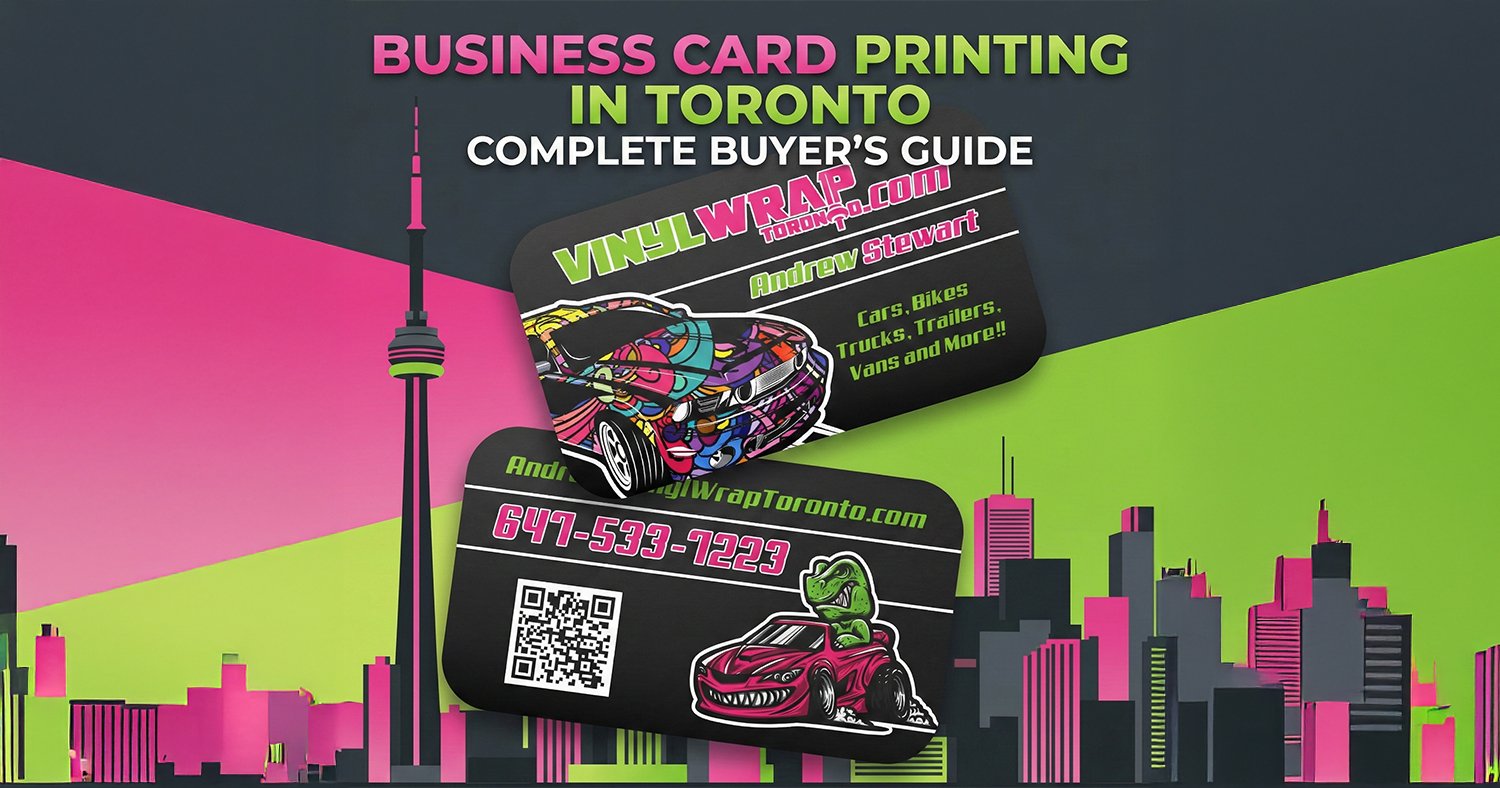
In the digitally driven landscape of Toronto, Etobicoke, and the Greater Toronto Area (GTA), one might assume that physical networking tools have become obsolete. However, the opposite is true. As digital noise increases, the tangible impact of a professionally printed business card becomes even more significant. It is the handshake that lasts, the physical reminder of a connection made at a conference in the Metro Toronto Convention Centre or a quick meeting in a Liberty Village coffee shop.
For local business owners, sales professionals, and entrepreneurs, navigating the world of business card printing can be overwhelming. With countless options for paper stocks, finishes, and design elements, making the right choice is crucial for your brand image. This comprehensive guide will walk you through everything you need to know about business card printing in Toronto, ensuring your cards are not just paper, but powerful conversion tools Designed by Branding Centres.
The Enduring Power of Print in a Digital World
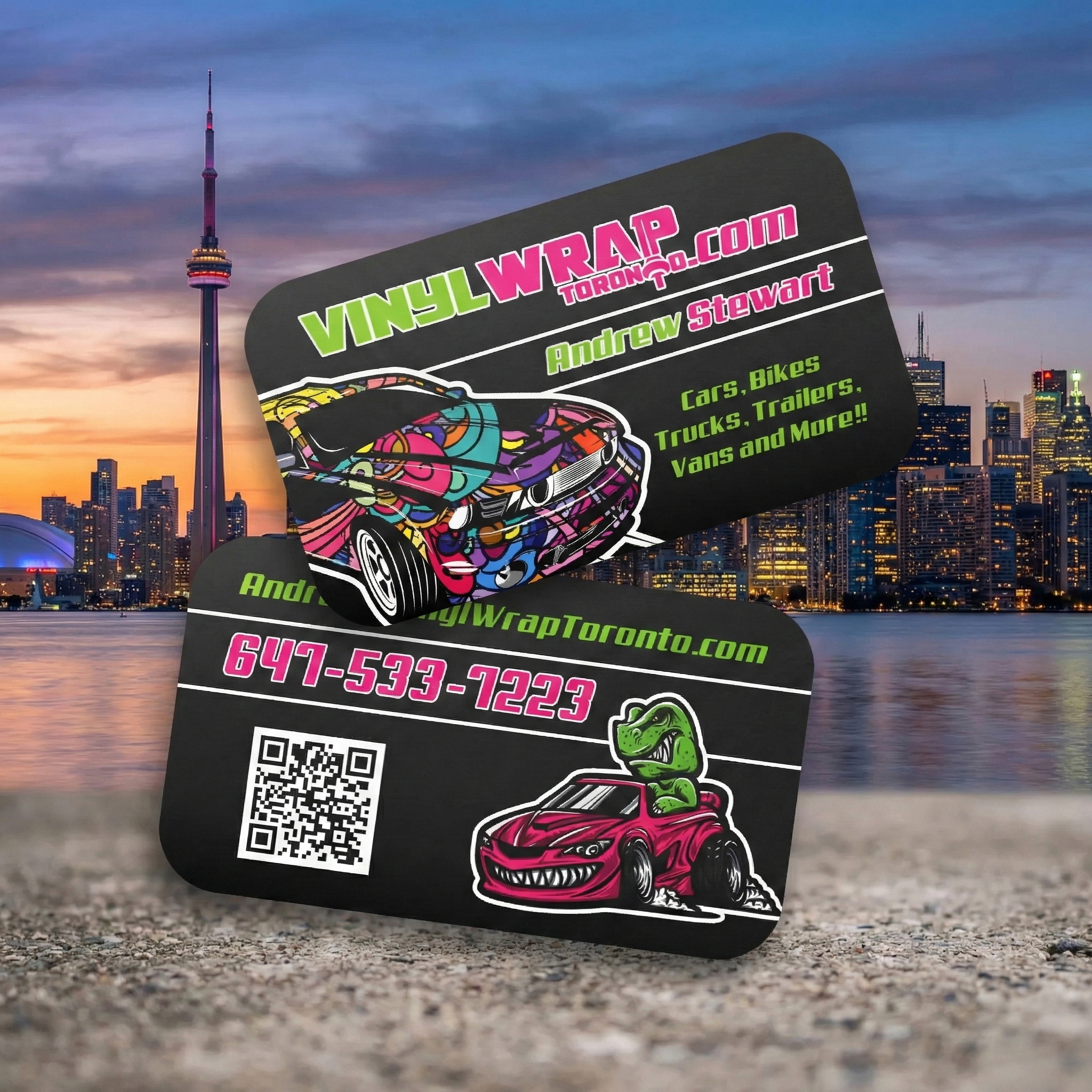
Why do we still exchange small rectangles of paper in 2026? The answer lies in cognitive psychology and brand recall. A well crafted business card engages the sense of touch, creating a tactile memory that a digital contact exchange simply cannot replicate.
The “Hybrid” Card Evolution
Modern business cards have evolved beyond simple contact lists. They now serve as bridges between the physical and digital realms. By integrating QR codes or Near Field Communication (NFC) technology, your card becomes a direct portal to your portfolio, LinkedIn profile, or booking calendar. This “hybrid” approach allows you to maintain the etiquette of a traditional exchange while leveraging the efficiency of digital tools.
In a competitive market like Mississauga or Vaughan, your card needs to do more than inform; it needs to impress. A flimsy, poorly printed card can signal a lack of attention to detail, whereas a premium, weighted card signals stability and professionalism.
Understanding Paper Stocks: The Foundation of Quality
The “feel” of your business card is determined by the paper stock. In the printing industry, this is measured in “points” (pt). The higher the number, the thicker and stiffer the card.
14pt Standard Cardstock
This is the industry standard for professional business cards. It offers a solid feel that is substantial enough to be durable but flexible enough to fit easily into wallets.
• Best For: High volume handouts, trade shows, and general networking.
• Cost: Most economical option without sacrificing quality.
16pt Premium Cardstock
A step up from the standard, 16pt stock is noticeably thicker and more rigid. It conveys a sense of established authority. When you hand someone a 16pt card, they can feel the difference immediately.
• Best For: Executives, lawyers, real estate agents, and consultants.
• Perception: High quality, reliable, and premium.
18pt to 32pt Ultra Thick / Multi Layer
For those who want to make an unmissable statement, ultra thick cards are the answer. These often involve gluing multiple layers of paper together, sometimes with a colored core (painted edge) sandwiched in the middle.
• Best For: Creative agencies, luxury brands, and high end retail.
• Impact: Unforgettable rigidity and weight.
Comparison of Business Card Stocks
| Feature | 14pt Standard | 16pt Premium | 18pt+ Specialty |
| Thickness | Standard (0.014 inches) | Thicker (0.016 inches) | Ultra-Thick |
| Rigidity | Flexible but firm | Stiff and snap-resistant | Very rigid, board-like |
| Durability | Good | Excellent | Superior |
| Best Use Case | Mass distribution | Client meetings | VIP handouts |
| Cost of 100 Cards (Single-Sided) | $20 | $30 | $60 |
Selecting the Right Finish: Matte, Gloss, and Beyond
Once you have selected your paper, the finish dictates how the card interacts with light and touch. The finish can drastically alter the colors and the “vibe” of your design.
Gloss Lamination
Glossy cards reflect light, making colors appear vibrant and punchy. This finish is excellent for designs that feature photography or bright, bold logos.
• Pros: Enhances color saturation, resists moisture and dirt, durable.
• Cons: Prone to fingerprints, difficult to write on with standard pens, can suffer from glare under bright lights.
Matte Finish
Matte cards have a non reflective, smooth surface. They offer a sophisticated, modern, and understated look that is widely perceived as more professional in corporate settings.
• Pros: Elegant look, easy to read (no glare), smooth texture, resists fingerprints better than gloss.
• Cons: Colors may appear slightly more muted compared to gloss.
Soft Touch (Velvet) Lamination
This is a premium matte finish that feels like soft suede or velvet to the touch. It adds a tactile dimension that invites people to hold the card longer.
• Pros: Luxurious texture, unique sensory experience, premium perception.
• Cons: Higher cost, colors can appear slightly darker.
Uncoated / Writable
Uncoated stock has no chemical finish, leaving the raw paper texture exposed. This is the ideal choice for appointment cards or cards where you need to jot down notes.
• Pros: 100% writability, natural/organic feel, textured.
• Cons: Less protection against stains or wear, ink absorbs into paper (softer images).
Specialty Options to Stand Out in the GTA
To truly dominate the local market, standard printing might not be enough. Branding Centres offers specialized printing techniques that turn a business card into a piece of art.
Spot UV (Gloss)
This technique applies a high gloss coating only to specific areas of the card, such as your logo or name, while the rest of the card remains matte. This creates a striking contrast in texture and visual depth. When light hits the card, the glossed areas pop, creating a subtle 3D effect.
Foil Stamping
Metallic foil (gold, silver, copper, or holographic) is heat pressed onto the card. This is the ultimate signal of luxury and is frequently used by high end real estate agents and financial firms in Toronto to convey wealth and prestige.
Die Cutting
Who says a business card has to be a rectangle? Die cutting allows you to cut custom shapes or round corners. A photographer might have a card shaped like a camera lens, or a bakery might use a card with a bite mark taken out of the corner.
Design Best Practices for Maximum Impact
A business card is a micro billboard. You have limited space to convey a massive amount of information. Strategic design is critical.
The “Less is More” Philosophy
Do not clutter your card. A card packed with text is unreadable and likely to be discarded. Focus on the essentials:
1. Name & Title: Who are you?
2. Company Logo: Visual identity.
3. Contact Info: Phone, Email, Website.
4. Value Prop: A short tagline explaining what you do.
Legibility is King
Avoid overly decorative fonts or text sizes smaller than 8pt. If a potential client in Brampton has to squint to read your phone number, you have lost a lead. Use high contrast colors (e.g., dark text on a light background) to ensure readability.
Bleed and Safe Zones
When designing for print, you must include a “bleed.” This is an extra 1/8th of an inch of artwork that extends beyond the trim line. It ensures that when the guillotine cuts the cards, there are no thin white strips left on the edges. Conversely, keep all text within a “safe zone” at least 1/8th of an inch inside the trim line to prevent it from being cut off.
Industry Specific Recommendations
Different industries in Ontario have different standards and expectations for business cards.
Real Estate and Finance
Professionals in these high trust fields should opt for 16pt Matte or Soft Touch cards. These finishes convey stability and sophistication. Adding Silver Foil to the brokerage logo can add a necessary touch of prestige.
Trades and Construction
For contractors in Etobicoke or North York, durability is key. We recommend Gloss Laminated cards because they can withstand being tossed in a truck dashboard, handled with dirty hands, or exposed to minor moisture without ruining the contact info.
Creatives and Artists
Graphic designers, photographers, and writers should experiment with Uncoated or Textured stocks (like Linen) to show personality. Spot UV on a black background is also a favorite for a sleek, modern aesthetic.
Health and Wellness
Spas, therapists, and medical clinics often benefit from Uncoated or Recycled stocks. These textures feel natural and calming, aligning with the brand values of health and organic living.
Sustainability in Printing
Environmental responsibility is a growing priority for Toronto businesses. You can align your printing choices with your corporatesocial responsibility (CSR) goals.
• Recycled Stock: Papers made from post consumer waste.
• Vegetable Based Inks: Using soy or vegetable inks reduces the release of volatile organic compounds (VOCs) compared to traditional petroleum based inks.
• Local Production: Printing locally in the GTA reduces the carbon footprint associated with shipping.
Cost Factors and Turnaround Times
Understanding what drives the cost of your order helps you budget effectively.
• Quantity: Offset printing has high setup costs but low unit costs. Ordering 1,000 cards is often only marginally more expensive than ordering 500. Bulk ordering is the secret to low prices.
• Finishes: Specialty finishes like Foil or Spot UV require separate production steps (dies and screens), adding both cost and time to the project.
• Turnaround: Standard turnaround is typically 3 to 5 business days. Rush options (Next Day or Same Day) are available for digital prints but may limit your finishing options.
Conclusion: Your Partner in Professional Printing
Your business card is often the very first impression a prospect has of your brand. It needs to be perfect. Whether you need a standard set of cards for a new hire or a complex, foil stamped run for a CEO, the quality of the print reflects the quality of your work.
At Branding Centres, we are more than just a printer; we are your branding partner. Located conveniently in Etobicoke, we serve the entire Toronto and GTA region. We ensure that your cards are not only printed to the highest standards but are also strategically Designed by Branding Centres to convert leads into customers.
Do not settle for flimsy, template based cards that get lost in the pile. Invest in a card that demands attention.
Ready to upgrade your networking game? Contact Branding Centres today at +1 (416) 288-8661 or email info@Brandingcentres.com to get your custom quote or you can also checkout our Business Cards Category Page to buy the cards straight away!
Frequently Asked Questions (FAQs)
1. What is the standard size for a business card in Canada?
The standard size for business cards in North America is 3.5 inches by 2 inches. However, we can also print custom sizes, such as square cards (2.5″ x 2.5″) or slim cards, to help you stand out.
2. Can I write on a matte business card?
It depends. Standard matte cards have a light coating that can be written on with a ballpoint pen, though ink may take a moment to dry. If you need a card specifically for appointments or notes, we recommend an Uncoated or Writable stock for the best results.
3. What is the difference between CMYK and RGB?
RGB (Red, Green, Blue) is the color mode used for computer screens. CMYK (Cyan, Magenta, Yellow, Key/Black) is the color mode used for printing. When you design a card, you must convert your files to CMYK to ensure the colors you see on screen match what is printed on the paper.
4. Do you offer design services if I don’t have a file?
Absolutely. Our in house design team can create a professional layout for you. We ensure your logo is high resolution and that the typography aligns with your brand guidelines.
5. How long does it take to print business cards in Toronto?
Standard orders typically take 3-5 business days. If you require specialized finishes like Foil or Spot UV, it may take 5-7 business days. We also offer rush services for urgent deadlines.


