


In the high intensity environments of Toronto, Etobicoke, and the surrounding GTA, the safety of your workforce is the absolute priority. For business owners in the construction, manufacturing, and industrial sectors, outfitting a team is not just about meeting a checklist of regulations; it is about creating a culture of protection and professionalism. Custom safety wear serves as the intersection between legal compliance and brand identity, acting as a functional shield for your employees and a high visibility banner for your business.
At Branding Centres, located in the heart of Etobicoke, we specialize in the strategic visual engineering of your workforce’s identity. We believe that every piece of safety apparel your team wears should communicate reliability to your clients and unity to your staff. While we handle the intricate details of your gear, we also understand the importance of a cohesive brand across all assets. This is why our process ensures that your apparel is meticulously Designed by Branding Centres to match your high standards,.
This comprehensive guide explores the technical standards, branding psychology, and maintenance protocols required to maximize the lifespan and impact of your custom safety wear.
The Fundamental Value of Custom Safety Wear
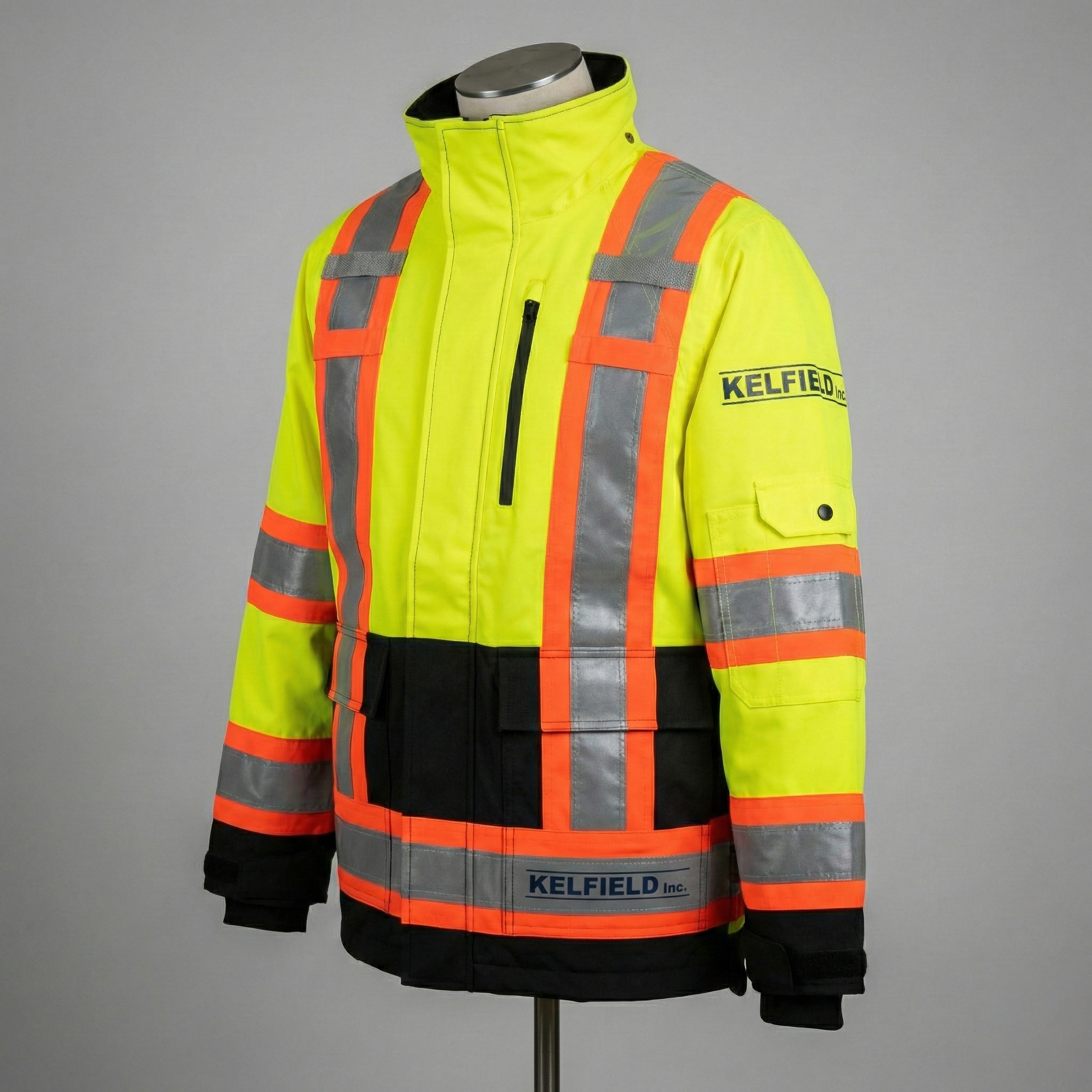
For the modern construction or industrial firm, safety gear is essential armor. In industries where the margin for error is razor thin, and the consequences of oversight can be severe, specialized workwear is a mandatory investment. From the bustling manufacturing plants in Mississauga to the infrastructure projects in Brampton, proper gear is as crucial as any tool in a technician’s belt.
Beyond basic protection, there is a growing recognition of the value of customizing this equipment. High visibility colors, reflective logoed strips, and other branded elements do more than just meet a code; they promote a sense of belonging and professionalism. Whether it is logoed hard hats or work shirts emblazoned with employee names, customization elevates the standard of the job site.
Psychology of the Uniform
What people wear significantly influences how they perceive themselves and how they are perceived by others. This is known as enclothed cognition. When a worker puts on high quality safety apparel that features a professional design, they embody the traits of the brand, such as focus, care, and authority. For businesses in Vaughan or Toronto, showing up to a site in unified, clean, and branded gear builds instant trust with homeowners and developers alike.
Understanding Technical Standards: EN ISO 20471
When selecting custom safety wear, understanding the international standards for high visibility is critical to ensuring your team remains compliant and safe. The EN ISO 20471 standard specifies requirements for clothing capable of visually signalling the user’s presence in any light condition.
The Three Classes of High Visibility
The standard is divided into three classes based on the risk level of the work environment. Each class is determined by the specific amount of fluorescent background material and reflective tape.
1. Class 3 (Highest Level): This is required for anyone working on or near motorways, dual-carriageways, or airports where vehicle speeds exceed 60 km/h. It requires the maximum amount of visible material, typically 0.80 square metres of background material and 0.20 square meters of reflective tape.
2. Class 2 (Intermediate Level): This is the standard for delivery drivers and those working on or near A and B class roads where passive vehicle speeds are under 60 km/h. It requires 0.50 square meters of background material and 0.13 square meters of reflective tape.
3. Class 1 (Minimum Level): This is suitable for persons working on private roads or in conjunction with higher class garments. It is often found in warehouses, factory road operations, and parking lots where vehicle speeds are under 30 km/h.
Branding and Compliance Risks
A critical consideration for Toronto business owners is how a logo impacts these safety ratings. Logos cover the fluorescent background material. Therefore, the area of your custom logo is actually deducted from the minimum surface area calculation of the garment. Before placing a large back print on a vest, you must ensure the remaining fluorescent area still meets the required class for the job site to avoid wearing a non-compliant garment.
Specialized Industrial Needs: Flame Resistant (FR) Apparel
For industrial jobs involving heat, electricity, or open flames, standard polyester safety gear is insufficient. Flame resistant (FR) clothing can be customized with your company logo, but the process must be handled with extreme care to maintain the protective properties of the fabric.
Customization Rules for FR Clothing
• Flammability of Materials: Any added elements, such as stitching or embroidery, must not be flammable themselves. At Branding Centres, we ensure that embroidery is performed with flame resistant thread and that prints utilize flame resistant ink silkscreens.
• The Size Rule: Logo size is a major safety factor. If a garment comes into contact with flames, the customization should be small enough that it causes minimal damage if it were to catch fire. A reliable rule of thumb is that custom logos on FR gear should be no larger than a credit card.
• Moisture Wicking Benefits: Modern FR fabrics often incorporate moisture wicking fiber blends. These are vital for industrial athletes who work up a sweat similar to professional athletes. High quality moisture wicking garments do not rely on chemical finishes that wash away; they use permanent fiber balances to keep workers dry and focused, even in the humid summers of Ontario.
Material and Durability Comparison for GTA Workwear
Choosing the right production method for your custom safety wear depends on the specific demands of the job. Construction sites in Brampton or Mississauga subject clothing to intense abrasion and frequent laundering.
| Method | Best Use Case | Durability Notes | Appearance |
| Plastisol Transfers | Rugged, high volume workwear | Tested to endure 75+ wash and dry cycles; resists cracking | Bold, high opacity on light or dark fabrics |
| Embroidery | Professional uniforms, jackets, and hats | Extremely long lasting and permanent; withstands frequent washing | Premium, raised, and tactile finish |
| DTF (Direct to Film) | Small orders or complex, full color logos | High durability and stretchability | Photo-realistic colors; gentle on synthetic fabrics |
| Screen Printing | Bulk orders of t-shirts and hoodies | Very durable if cured properly with heat | Vibrant, traditional ink look |
Why Quality Over Quantity Wins
In the corporate and industrial world, one premium item consistently outperforms a dozen cheap throwaways. Employees in Etobicoke will use a high quality, well fitting garment like a unisex fleece hoodie for years, creating thousands of positive brand impressions, whereas a flimsy, ill fitting vest will be discarded quickly.
Maintenance Tips for Longevity in Canada
Operating in Canada means your safety apparel is exposed to unique environmental stressors, including road salt, grime, and extreme temperature fluctuations. To ensure your investment lasts the intended 3 to 5 years, a specific care routine is necessary.
1. Remove Contaminants Promptly: Road salt is primarily sodium chloride, which can dehydrate and corrode vinyl and fabric if left to accumulate. Same day cleaning is recommended for bug splatter, fuel spills, or road tar to prevent permanent staining.
2. Gentle Washing: Always wash custom gear in cold water to prevent shrinking or fading. Use a microfiber wash mitt and pH neutral soaps.
3. Avoid Harsh Chemicals: Strong solvents, degreasers, and “wheel acid” style products should never be used near your safety gear as they can degrade the reflective properties and adhesive bonds.
4. Air Dry Whenever Possible: High heat from dryers is the enemy of custom prints and reflective tape. It can cause screen prints to crack and cotton fabrics to shrink.
5. Inspect Quarterly: Periodically check for lifting edges, scratches, or fading. Early detection allows for minor repairs before the garment becomes a safety liability.
ROI: The Value of Branded Safety Gear
For business owners in Toronto, every marketing dollar must produce a return. Custom safety wear is one of the highest ROI marketing channels available because it offers longevity and organic scale.
• Cost Per Impression: A single piece of branded outerwear can generate an average of 6,100 to 7,856 impressions over its lifetime. If you spend $50 on a premium hoodie and it gets 7,000 views, your cost per impression is less than a penny.
• Organically Scalable: Your crew wears their branded gear to coffee shops, grocery stores, and airports. This is marketing you did not have to buy, reaching a diverse audience through the real world rather than a digital algorithm.
• Employee Retention: Employees who receive high quality branded gifts often stay with their employers 1.5 years longer than those who do not. 73% of employees report that receiving branded gear boosts their sense of belonging.
Employer Obligations and Legal Requirements in Canada
In Ontario, employers must comply with strict Occupational Health and Safety standards. This includes the requirement to provide and pay for necessary Personal Protective Equipment (PPE).
• Hazard Assessment: Employers must perform a hazard assessment of the workplace to identify physical and health hazards.
• Training: It is the employer’s responsibility to train employees in the proper use and care of their gear.
• Documentation: For commercial operators, maintaining a strong safety record is essential for Ontario Commercial Vehicle Operator’s Registration (CVOR) ratings. A history of safety excellence can lead to lower insurance premiums and a competitive advantage when bidding for contracts with shippers and brokers.
Use Cases for Custom Safety Gear in the GTA
1. Construction and General Trades
For electricians, plumbers, and contractors in Toronto, branded safety apparel serves as both identification and safety equipment. High visibility hoodies with reflective strips ensure the crew is seen by machine operators while promoting the brand to neighbors in the community.
2. Roadwork and First Responders
Garments meeting EN ISO 20471 Class 3 are mandatory for these high risk roles. The use of fluorescent orange background material is particularly important for workers near railway tracks to prevent confusion with yellow signals.
3. Manufacturing and Warehouse Ops
In busy logistics hubs in Mississauga, Class 1 or Class 2 gear is standard. Branded vests help identify different departments or seniority levels, which improves internal communication and site safety.
4. Home Service Professionals
When a technician enters a home in Etobicoke, their appearance is the first trust signal. Clean, branded safety apparel identifies the worker as an authorized professional and reassures the customer.
Conclusion: Lead Your Industry with Excellence
Investing in custom safety wear is a strategic decision that impacts your marketing reach, your employee retention, and your safety compliance status. In a competitive market like Toronto and the GTA, your team is your most valuable asset. Equipping them with gear that is both protective and professionally branded ensures that your business makes a lasting, positive impression every single day.
At Branding Centres, we are committed to helping you dominate your local market through integrated branding solutions. we provide the expertise needed to turn your business into a household name in Ontario.
Ready to elevate your team’s presence? Contact Branding Centres today at +1 (416) 288-8661 or email info@Brandingcentres.com to discuss your custom safety wear project. You can buy it straight from our site
Frequently Asked Questions (FAQs)
1. Is the employer required to pay for custom safety wear in Ontario?
Yes, under health and safety regulations, employers must provide and pay for the PPE required for employees to perform their jobs safely. However, this typically does not include everyday clothing like standard work boots or non-specialty prescription eyewear.
2. Can I use my standard company logo on high visibility vests?
Yes, but the size and placement must be calculated carefully. Logos cover the fluorescent material required for safety certification. If the logo is too large, the vest may no longer meet Class 2 or Class 3 standards. It is best to consult with a designer familiar with EN ISO 20471.
3. What is the best way to clean reflective safety apparel?
Hand washing with mild detergent is the gold standard for preserving the integrity of reflective tape. You must avoid high pressure washers, which can lift the edges of the tape, and automatic car washes with stiff bristles.
4. How often should safety wear be replaced?
Most high quality safety gear lasts between 3 and 5 years, though some premium cast materials can last up to 7 years. You should replace any garment that shows significant fading, cracking, or loss of reflectivity, as it no longer provides the required level of protection.
5. Is there a specific logo size limit for flame resistant gear?
To ensure safety in the event of a fire, it is recommended that custom logos on FR clothing be no larger than a credit card. This minimizes the risk of the logo itself becoming a hazard if the worker is exposed to open flames.


